Ever visited a city that feels as though you're one of the first to discover it? No checklist of famous sights to tick off or huge crowds to wade through. Just quaint streets to wander, a café table that becomes yours for the afternoon, and the quiet pleasure of watching a place go about its everyday life. It's a rare thing these days. Don't get us wrong, the grand capital cities of Europe's will forever have that pull, with their vibrant energy of bustling squares, people-filled cafés and well-trodden streets that hum after dark. But if you'd prefer a little breathing space as a side to your morning coffee, these underdogs pack in just as much history, culture and architecture. They just don't shout it from the rooftops. Luckily for us. We've rounded up five of the best cities for those that favour a slower pace. The ones that have a habit of slipping below the radar and rarely get the attention they deserve. Join us to discover a fresh angle on a destination you thought you knew.

The second city swap
Five underrated cities in Europe for solo travellers.
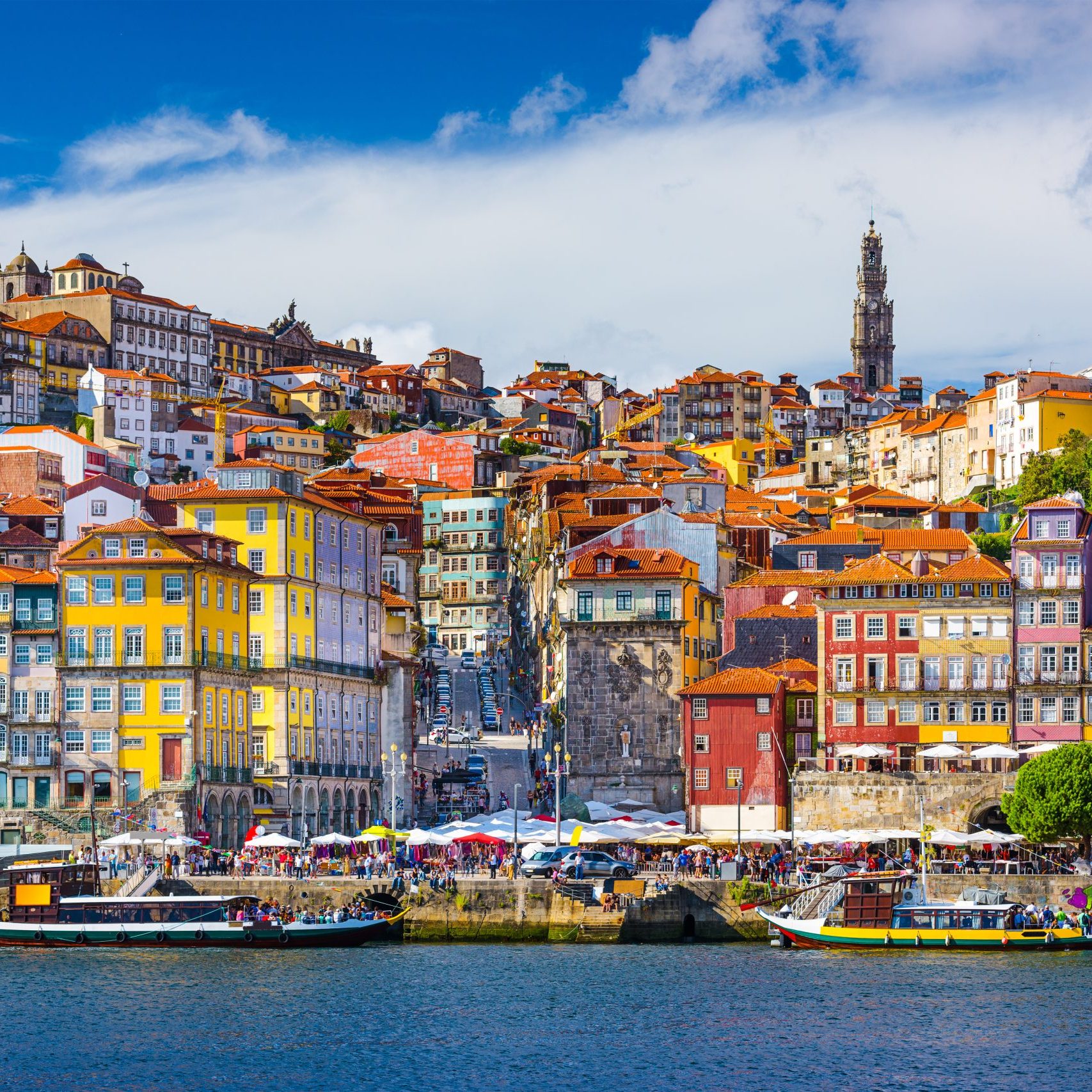
Porto, Portugal
Just three hours up the coast from Lisbon, Porto has a more unhurried charm. While it shares similar terraces and tradition, the rhythm here slows right down. Offering space to cross the Dom Luís I bridge and wander the Ribeira to the Douro, it's a wonderful destination to spend a slow afternoon tasting the region's local port. And though it's hilly, the Guindais funicular saves your legs om the way up. Save time for São Bento station, whose entrance hall tells Portugal’s story in around 20,000 blue-and-white tiles.
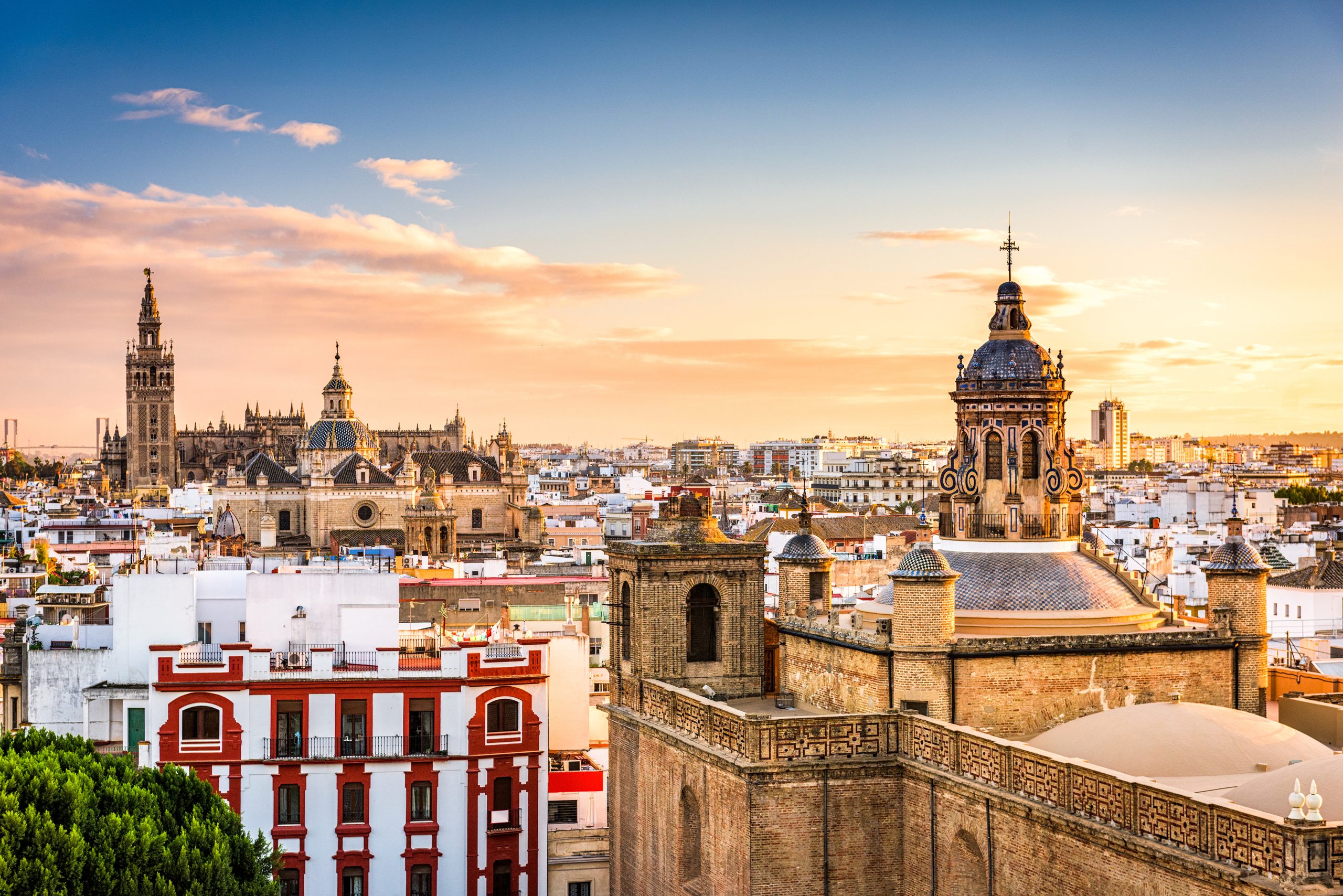
Seville, Spain
Two and a half hours south of Madrid by fast train, Seville trades the capital's grand scale for something a little more intimate. Its old centre is flat and compact, and in spring the air is scented with orange blossom. Step inside the vast Gothic cathedral and the Moorish courtyards of the Real Alcázar, then let time unfold slowly, in a shaded plaza or over tapas in Triana. And as night falls, follow the sound of guitar and stamping heels to a flamenco evening.

Krakow, Poland
Often compared with Prague, Krakow shares the same spires and cobbled lanes, but with a gentler pace and pleasingly modest prices. Come at Easter and the Main Market Square fills with stalls of painted eggs, woven palms and local treats, while every hour a trumpeter plays from the tower of St Mary's Basilica. Try your own hand at pisanki, the traditional craft of decorating eggs with melted wax, then head out to Zalipie, a village where the cottages are painted with flowers. And don't leave without descending into the Wieliczka Salt Mine, where generations of miners carved entire chapels from salt.

Cork, Ireland
Around two and a half hours south of Dublin by train, Ireland's second city has a warm, easy-going character all its own. Begin at the English Market, trading under one roof since 1788, where stallholders are happy to talk you through the local cheeses. Climb the tower of St Anne's in Shandon and you can ring its famous bells yourself. With Cobh, the Titanic's last port of call, just a short train ride along the harbour, there's an unhurried afternoon waiting by the water.
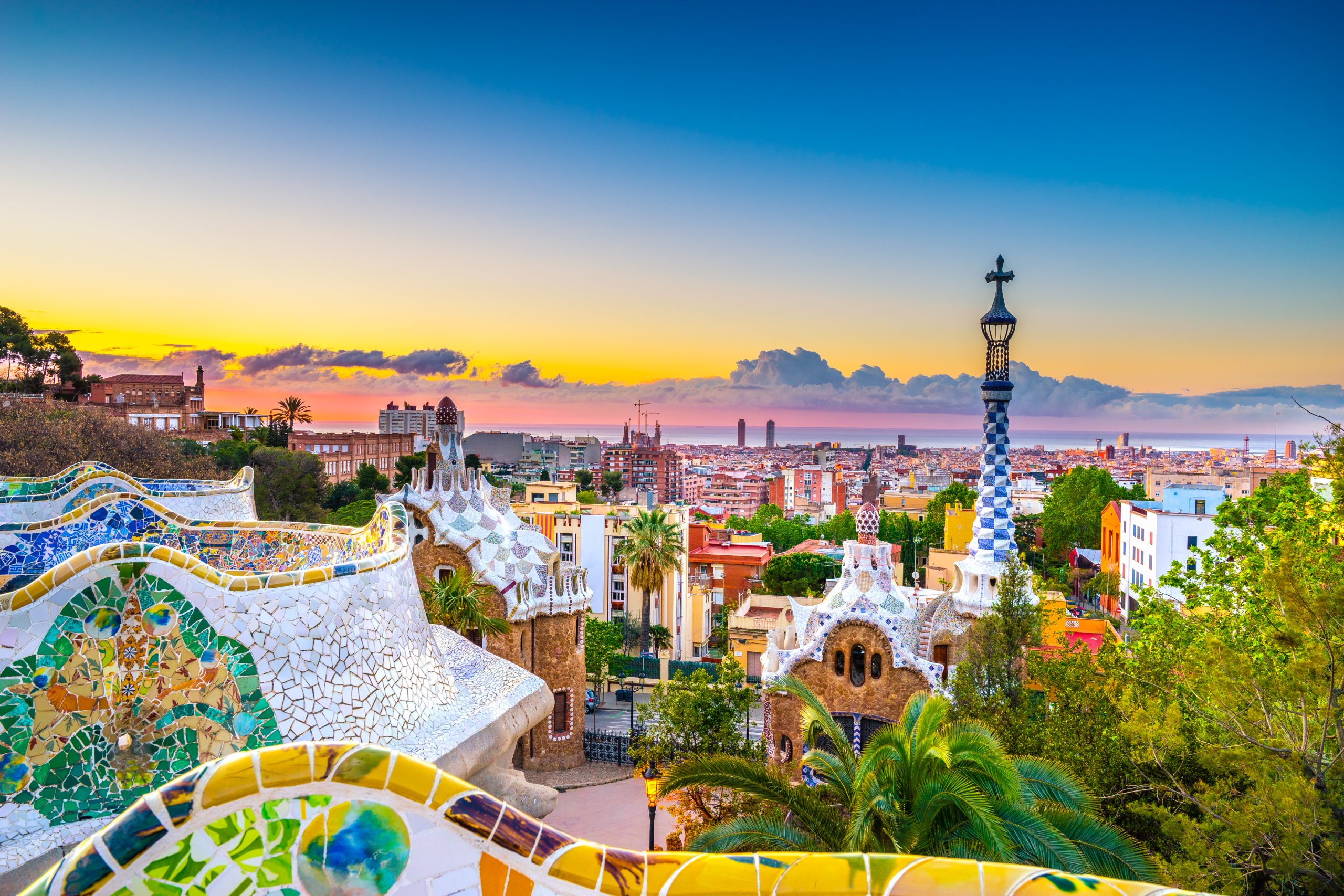
Barcelona, Spain
Spain’s second city is the one to choose if you’d like a little of both. Stroll La Rambla among its street performers and market stalls, then slip into the winding lanes of the Gothic Quarter, where the noise soon falls away. Gaudí is everywhere here, from the curving facades of Casa Batlló and Casa Milà to the Sagrada Família, best appreciated with a guide who can unpick its extraordinary detail. With time to yourself, you might head up Montjuïc for views across the city and the port. And if the mountains call, Montserrat and its monastery sit among dramatic rock formations an hour away.
Take me there...