Have you ever visited a city that made you feel like one of the first to discover it? There’s no checklist of famous sights to tick off or huge crowds to push through. Just quaint streets to wander, a café table to call your own for the afternoon, and the quiet pleasure of watching a place go about its daily life. That’s a rare thing these days. Don’t get us wrong: Europe’s grand capital cities will always have their appeal, with the vibrant energy of bustling squares, lively cafés, and well-trodden streets that hum after dark. But if you’d like a little breathing room with your morning coffee, these under-the-radar cities offer just as much history, culture, and architecture. They just don’t shout about it. Luckily for us. We’ve rounded up five of the best cities for travelers who prefer a slower pace. They tend to fly under the radar and rarely get the attention they deserve. Join us to discover a fresh perspective on a destination you thought you knew.

The second-city swap
Five underrated European cities for solo travelers.
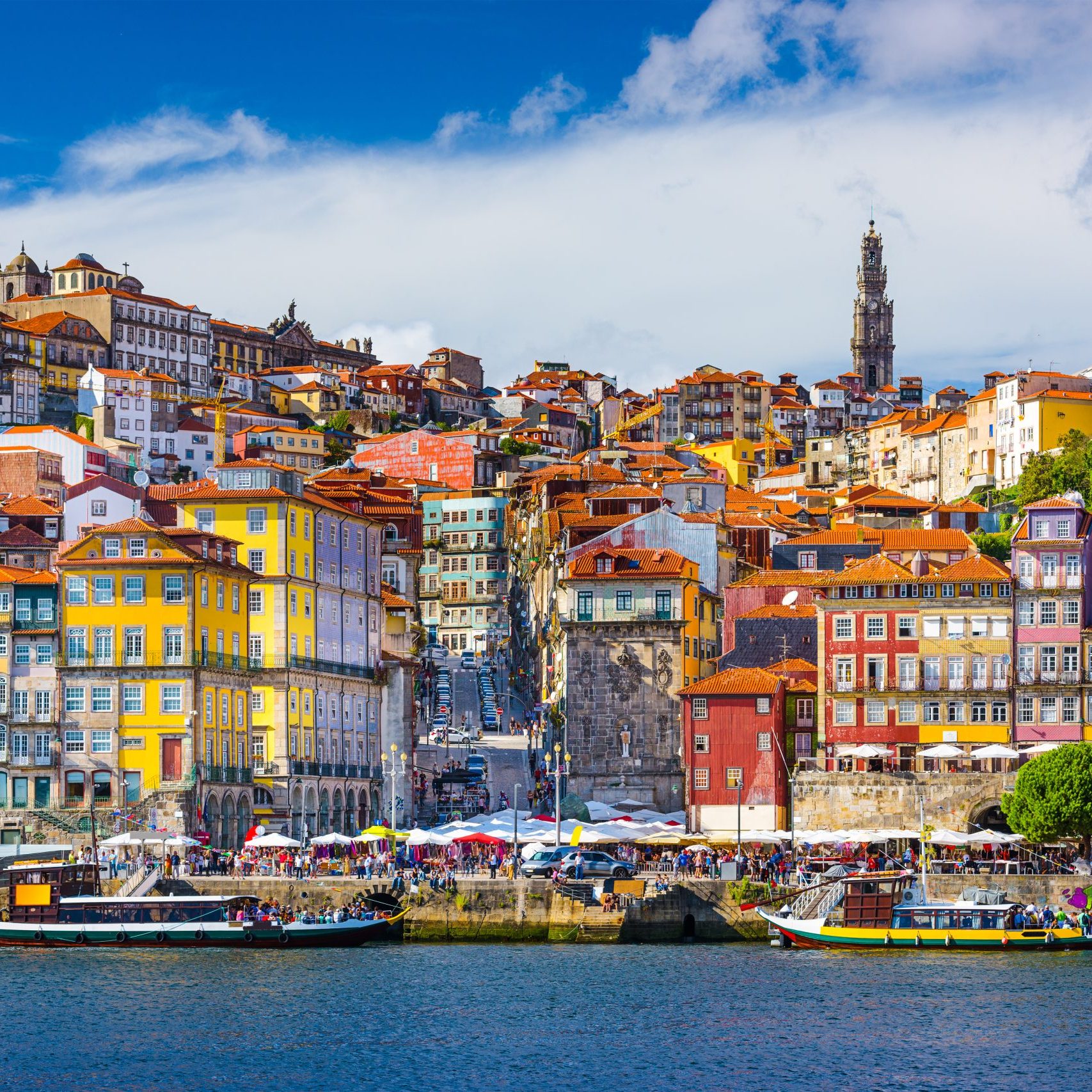
Porto, Portugal
Just three hours up the coast from Lisbon, Porto has a more relaxed charm. It shares similar terraces and traditions, but life moves at a slower pace here. Take your time crossing the Dom Luís I bridge and wandering through Ribeira to the Douro. It’s a wonderful place to spend a leisurely afternoon sampling the region’s port wine. The city is hilly, but the Guindais funicular saves your legs on the way up. Make time for São Bento station, where the entrance hall tells Portugal’s story in around 20,000 blue-and-white tiles.
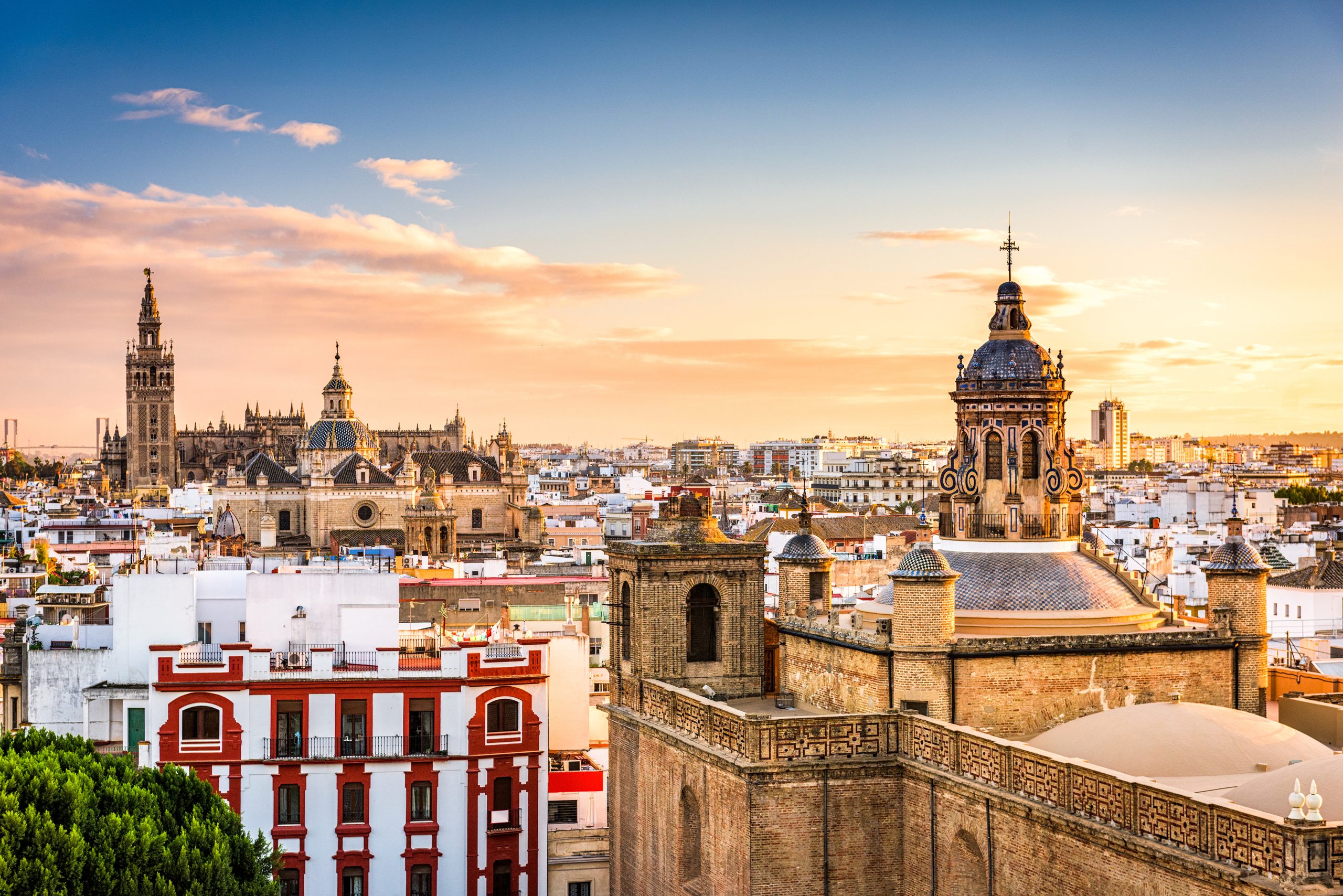
Seville, Spain
Two and a half hours south of Madrid by high-speed train, Seville trades the capital’s grand scale for a more intimate feel. Its old center is flat and compact, and in spring, the air is scented with orange blossoms. Step inside the vast Gothic cathedral and the Moorish courtyards of the Real Alcázar, then take your time in a shaded plaza or over tapas in Triana. As night falls, follow the sound of guitars and stamping heels to a flamenco show.

Krakow, Poland
Often compared with Prague, Krakow has the same spires and cobbled lanes, but a gentler pace and refreshingly affordable prices. Visit at Easter, when the Main Market Square fills with stalls selling painted eggs, woven palms, and local treats. Every hour, a trumpeter plays from the tower of St Mary's Basilica. Try your hand at pisanki, the traditional art of decorating eggs with melted wax, then head to Zalipie, a village where the cottages are painted with flowers. And don’t leave without descending into the Wieliczka Salt Mine, where generations of miners carved entire chapels from salt.

Cork, Ireland
About two and a half hours south of Dublin by train, Ireland’s second city has a warm, laid-back character all its own. Start at the English Market, which has operated under one roof since 1788. The stallholders are happy to talk you through the local cheeses. Climb the tower of St Anne’s in Shandon, and you can ring its famous bells yourself. Cobh, the Titanic’s last port of call, is just a short train ride along the harbor, making for a leisurely afternoon by the water.
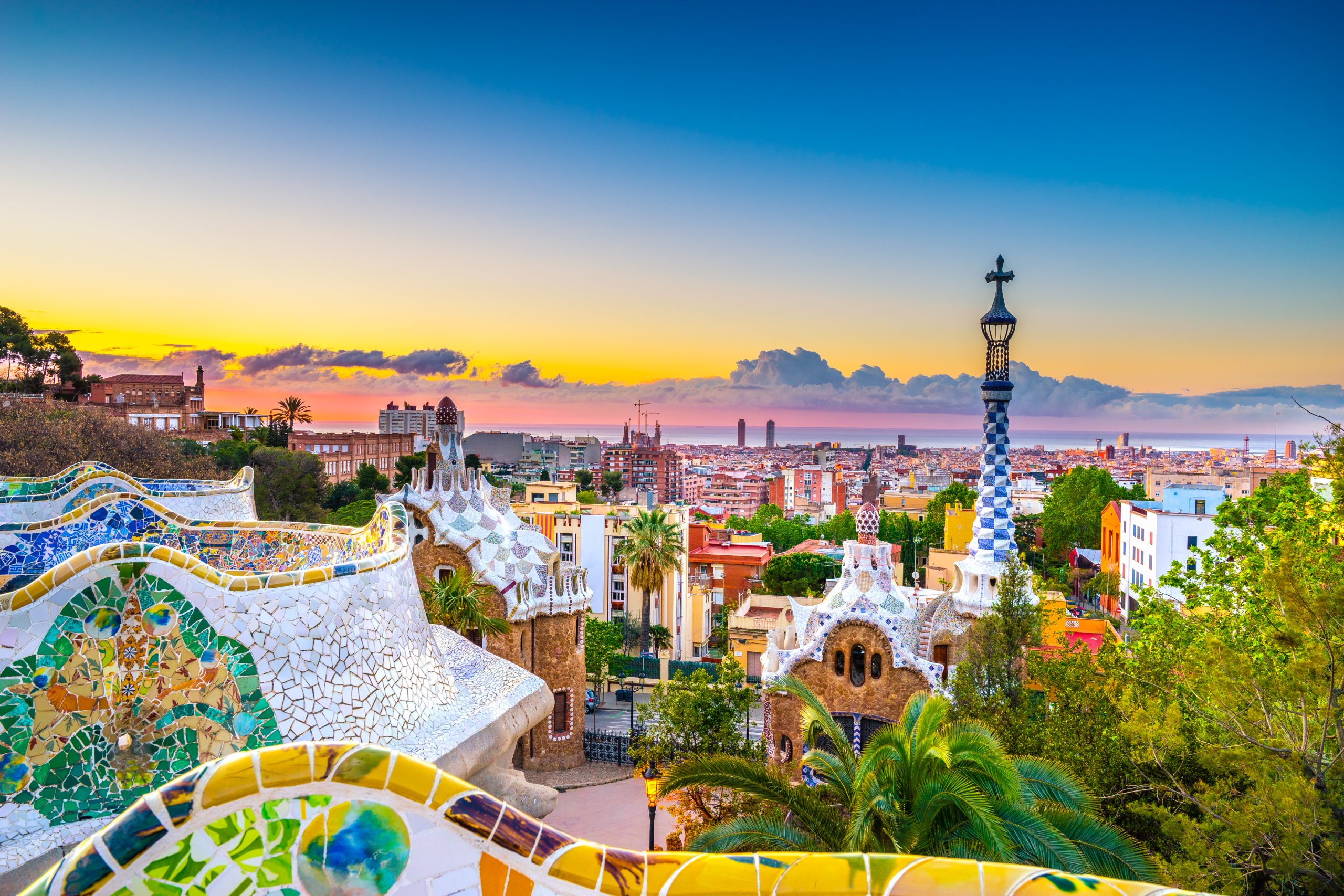
Barcelona, Spain
Spain’s second city is a great choice if you’d like a little of both. Stroll along La Rambla among its street performers and market stalls, then slip into the winding lanes of the Gothic Quarter, where the noise soon fades. Gaudí is everywhere, from the curving facades of Casa Batlló and Casa Milà to the Sagrada Família, which is best appreciated with a guide who can explain its extraordinary details. When you have some time to yourself, head up Montjuïc for views across the city and the port. And if you’re drawn to the mountains, Montserrat and its monastery sit among dramatic rock formations just an hour away.
Take me there...