SouthKorea2027
Discovery
$5080
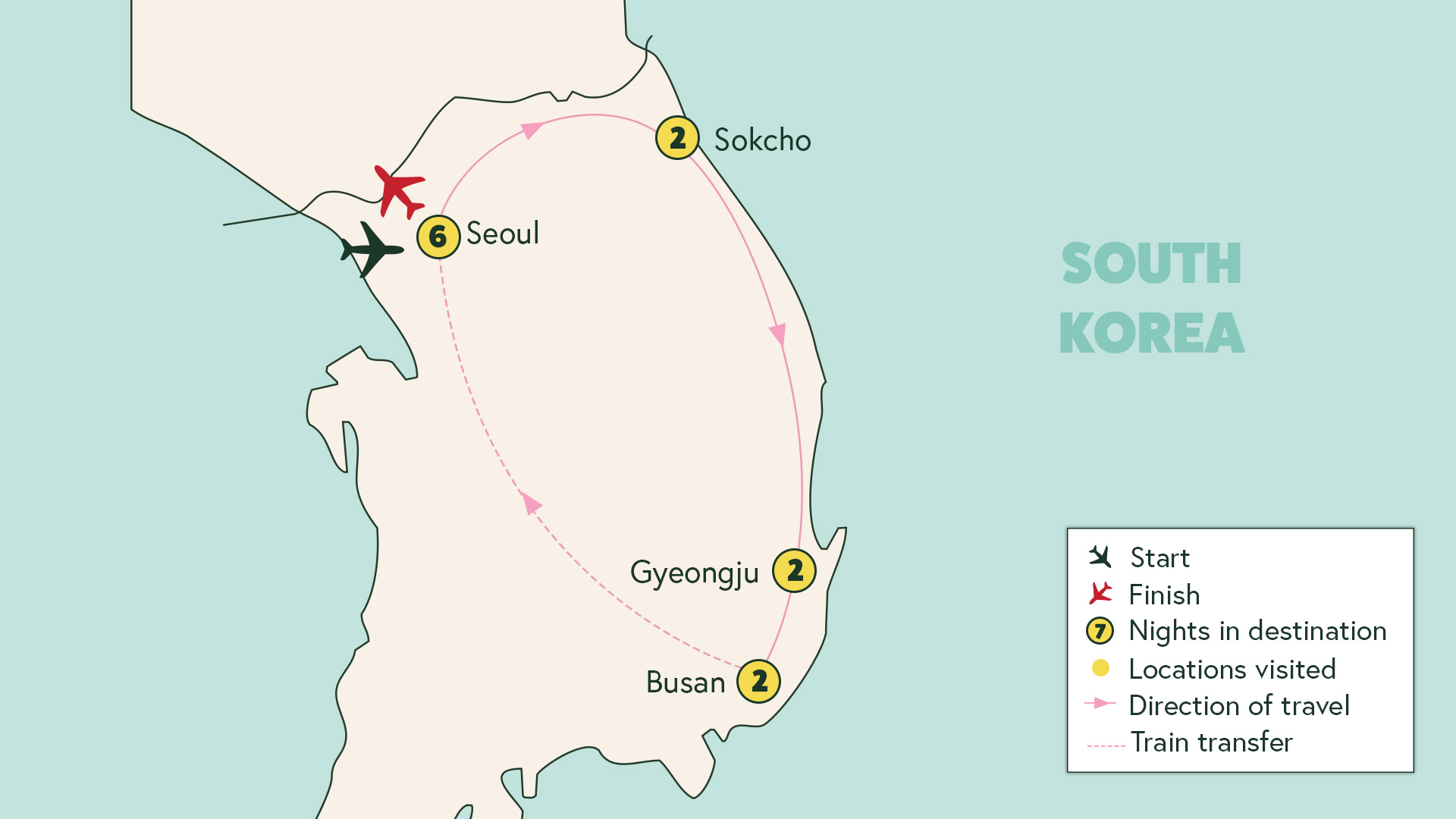
12 nights in South Korea
What to expect
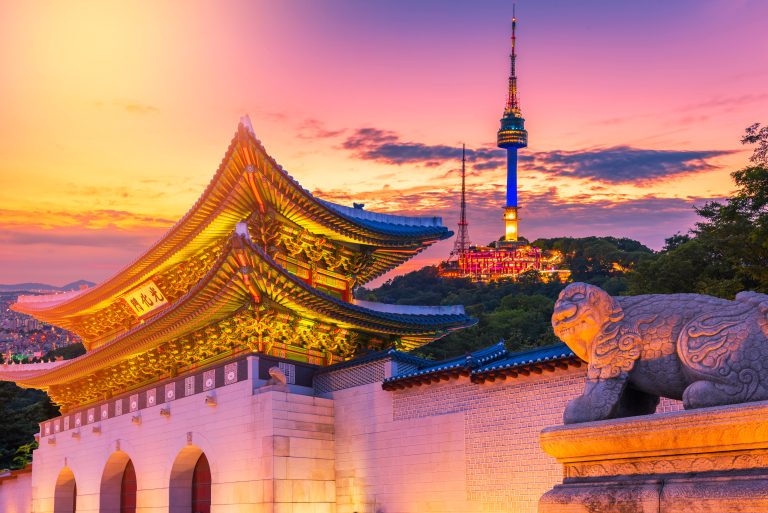
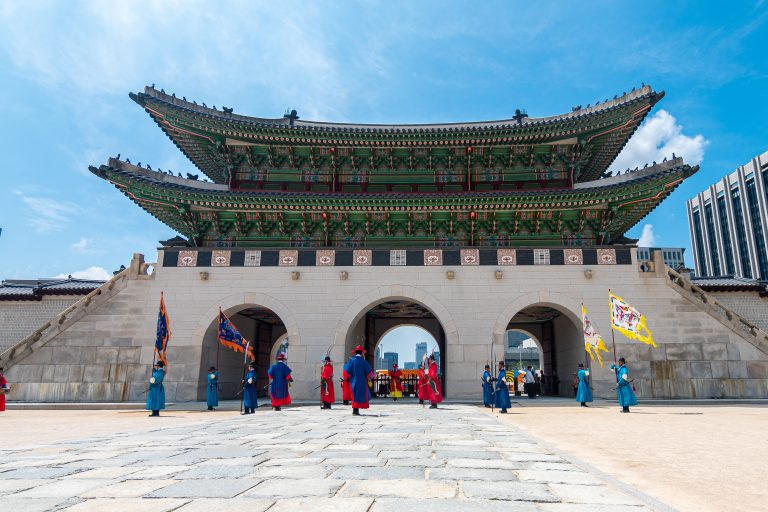
Gyeongbokgung Palace
Step back into Korea's royal past as we explore the country's grandest palace and witness the colourful Changing of the Guard ceremony.
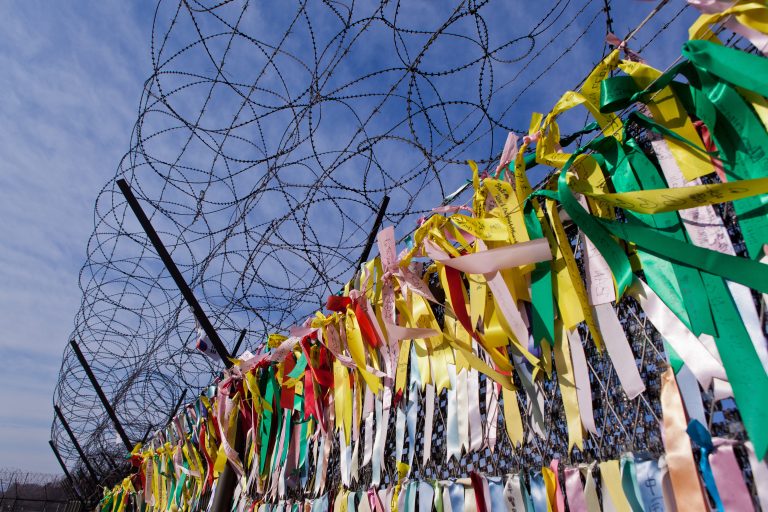
DMZ Zone Visit
Gain a fascinating insight into Korea's divided history as we visit the Demilitarized Zone, one of the world's most heavily guarded borders.
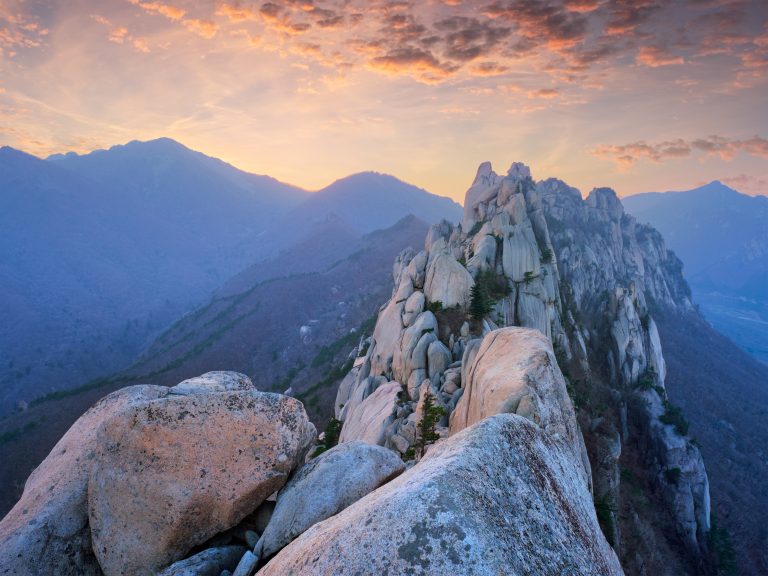
Seoraksan National Park
Discover South Korea's spectacular mountain landscapes with scenic walking trails, ancient temples and breathtaking views from the cable car.
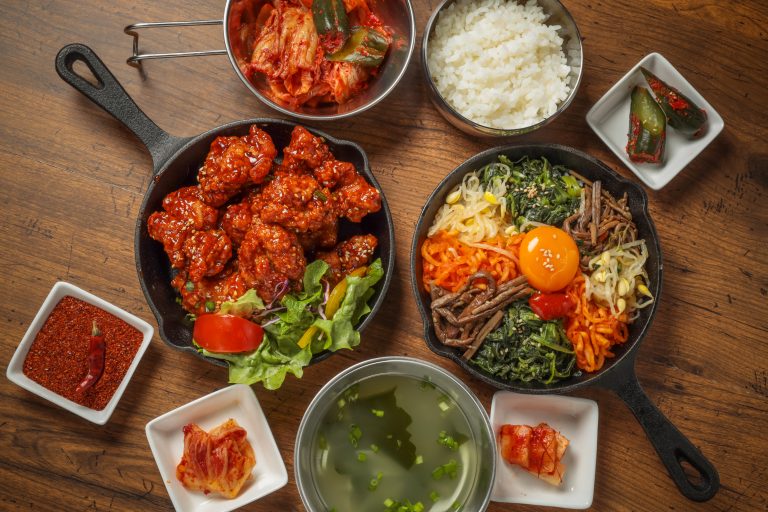
Taste of Korea
Discover authentic Korean flavours through bustling local markets, regional cuisine and a hands-on cooking class where we learn to prepare traditional dishes.
About this trip...

What's included?

 Group airport transfers (these transfers are time specific)
-
Transfers by Private Coach and KTX Bullet Train
-
Kwongeumseong Cable Car
 Twin room for sole use
 Breakfast daily & two dinners
 English Speaking Guides
-
Gyeongbok Palace
-
Korean Cooking Class
-
DMZ Tour
-
Hachuri Village Korean iron pot 'Gamasot' experience
-
Visit to Tumuli Park
-
N Seoul Tower observatory entry
 Free Solos App with all your travel documents
-
Dedicated Whatsapp group for your trip
 Accompanying Solos Tour Leader
What's extra:
- International flights not included. Let us help you book them! Learn more.
- Travel insurance
- Private Transfers
- Tips & drinks
- Meals when not included in the itinerary
- Activities when not included in the itinerary
Itinerary
- Arrival in Seoul
- Historic Highlights of Seoul
- DMZ Excursion
- Day at leisure in Seoul
- Cultural immersion in the countryside
- Natural beauty of Mt. Seorak
- Timeless beauty of Gyeongju
- Temples & national treasures
- Monasteries & beaches
- Vibrant Busan adventures
- Cooking & high-speed rail to Seoul
- Seoul’s modern icons & farewell
- Departure from Korea
What you’ll be doing
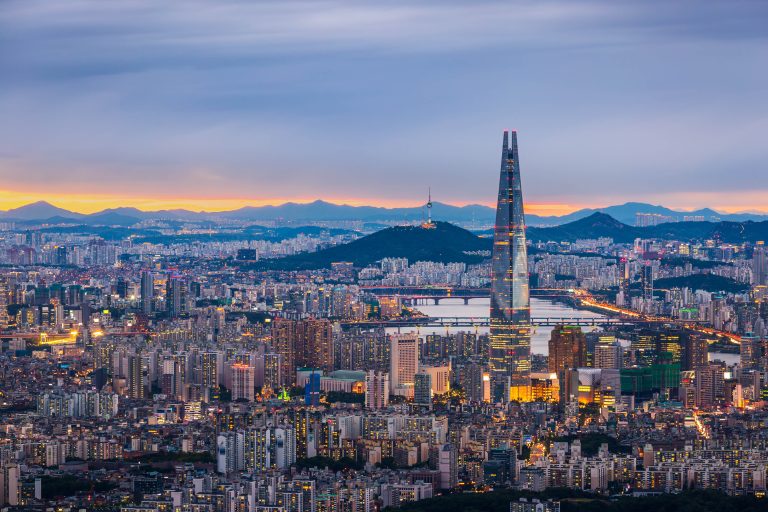
Day One: Arrival in Seoul
- Dinner Included
Day Two: Historic Highlights of Seoul
- Breakfast Included
Day Three: Demilitarized Zone Excursion
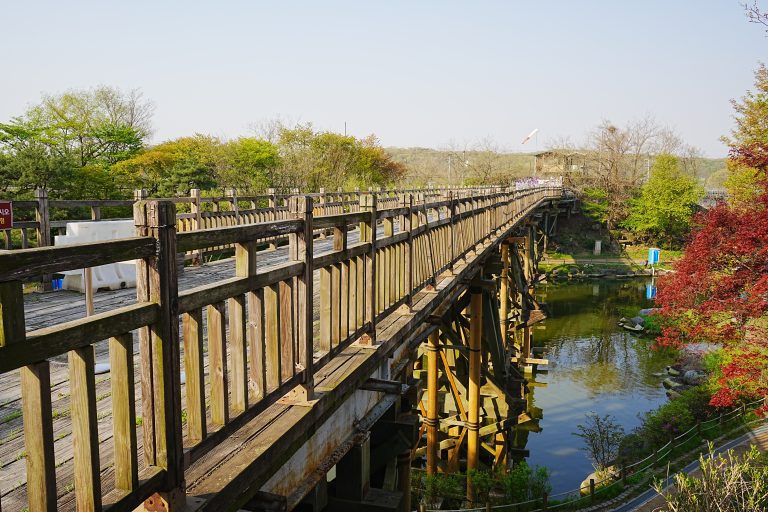
Today offers a rare opportunity to explore the Demilitarized Zone (DMZ), a place of geopolitical tension and deep historical significance. Begin at Imjingak Park, a site built to console families separated by the Korean War, and walk across the Freedom Bridge, once used by repatriated prisoners of war. Descend into the 3rd Infiltration Tunnel, secretly built by North Korea and discovered in 1978, which you’ll access via a steep underground passage. Watch an educational film at the DMZ Theater and explore interactive exhibits at the Exhibition Hall. Head to the Dora Observatory, where you can peer into North Korea through binoculars on a clear day. Drive past the symbolic Unification Village on your way back to Seoul. Return to your hotel, reflecting on this unique insight into Korea’s divided past.
- Breakfast Included
Day Four: Day at leisure in Seoul
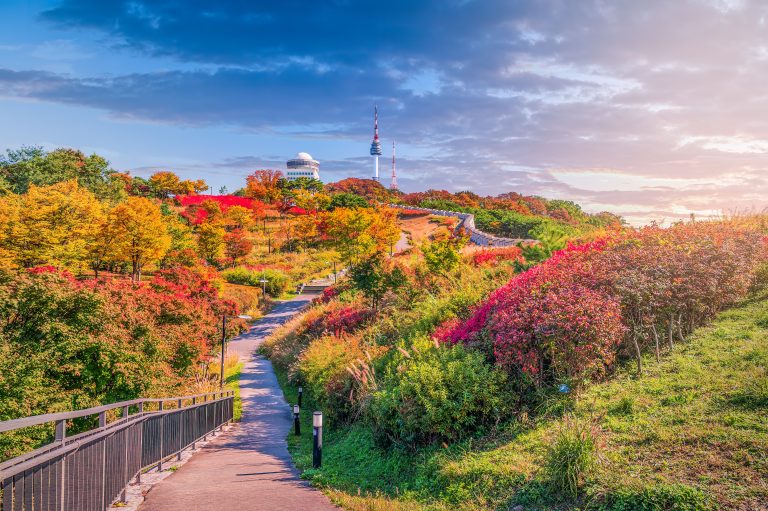
Today's yours to spend as you please. Wander the hanok lanes of Bukchon, browse the stalls at Gwangjang Market, or ride the cable car up Namsan for a view across the city.
- Breakfast Included
Day Five: Cultural Immersion in the Countryside
After breakfast and check-out, we head east to Hachuri Village, where we take part in a hands-on experience using a traditional Korean iron pot, known as a gamasot, for communal cooking. This interactive visit offers us a taste of rural life and insight into Korean food traditions.
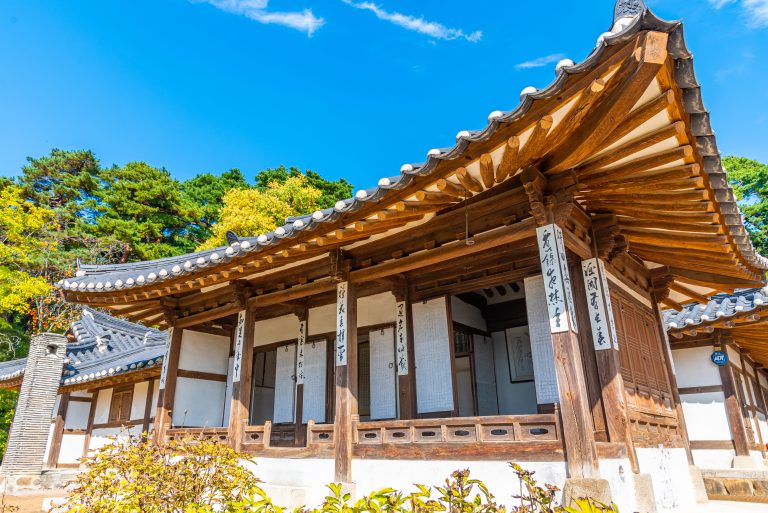
We continue our scenic drive along Hangyeryeong Road, enjoying stunning views of forested valleys and mountain peaks. In Gangneung, we visit Ojukheon, the preserved home of Korea’s most respected Confucian scholar, Yulgok Yi I, and his mother Shin Saimdang—both national icons. The house, one of the oldest wooden structures in Korea, gives us a window into Joseon-era scholarly life.
Before arriving in Sokcho, we make a stop at the Money Museum, where we explore the history of currency in Korea and beyond through engaging exhibits and rare collections. This unique museum offers us insight into Korea’s economic history and the cultural significance of money.
In the late afternoon, we arrive in Sokcho, a coastal town bordering Seoraksan National Park. After checking in, the evening is ours to enjoy at leisure.
- Breakfast Included
Day Six: Natural Beauty of Mt. Seorak
Today, we explore Seoraksan National Park, a UNESCO Biosphere Reserve known for its dramatic peaks, dense forests, and seasonal beauty. We begin with a cable car ride up to Gwongeumseong Fortress, where a short walk rewards us with sweeping mountain and coastal views.
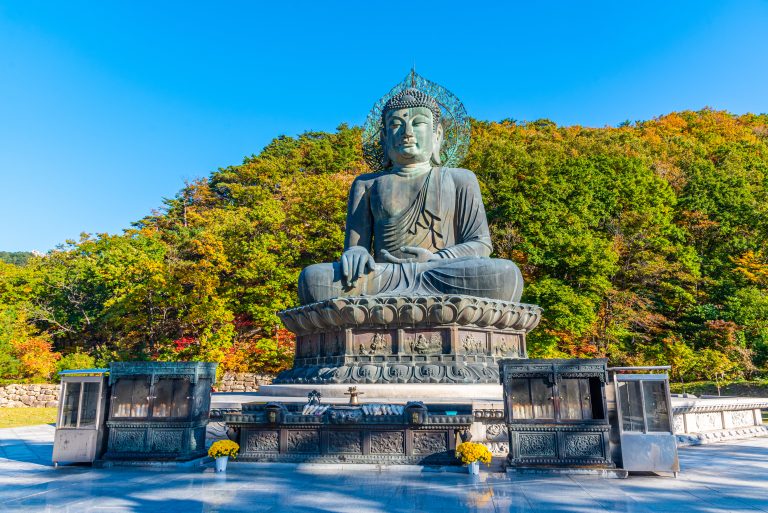
Back at the base, we visit the tranquil Sinheungsa Temple, home to the towering Great Bronze Buddha and rich in Korean Buddhist tradition. We stroll the temple grounds, taking in the peaceful atmosphere and forested surroundings.
In the late afternoon, we return to Sokcho for some leisure time. The evening is free to relax, explore the town, or enjoy the seaside air.
- Breakfast Included
Day Seven: Timeless Beauty of Gyeongju
After breakfast, we leave the beautiful landscapes of Seoraksan behind and journey south to Gyeongju, the ancient capital of the Silla Kingdom. Along the way, we enjoy the changing scenery and stop for lunch before arriving in the afternoon. Our first visit is to the Daereungwon Tomb Complex, where impressive grass-covered burial mounds mark the resting places of Silla kings and nobles. We then continue to Hwangridan-gil, a lively street lined with traditional hanok buildings, boutique cafés and local shops. There is time to explore, browse for souvenirs or simply enjoy the unique atmosphere before we transfer to our hotel.
- Breakfast Included
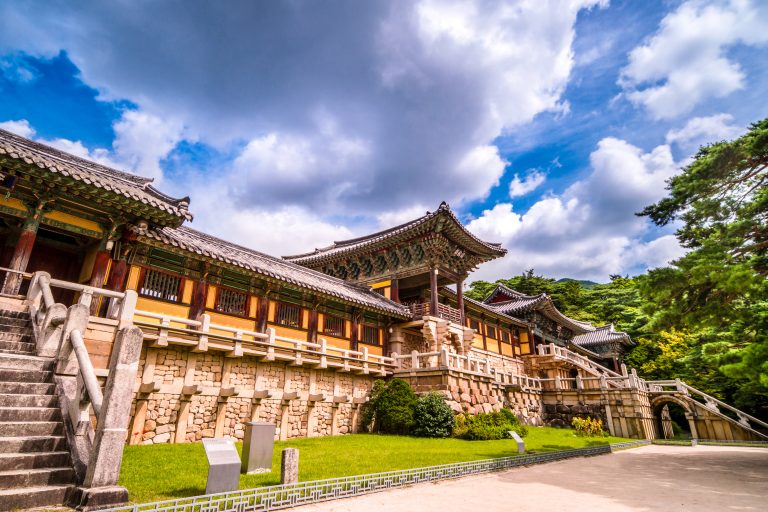
Day Eight: Temples and National Treasures
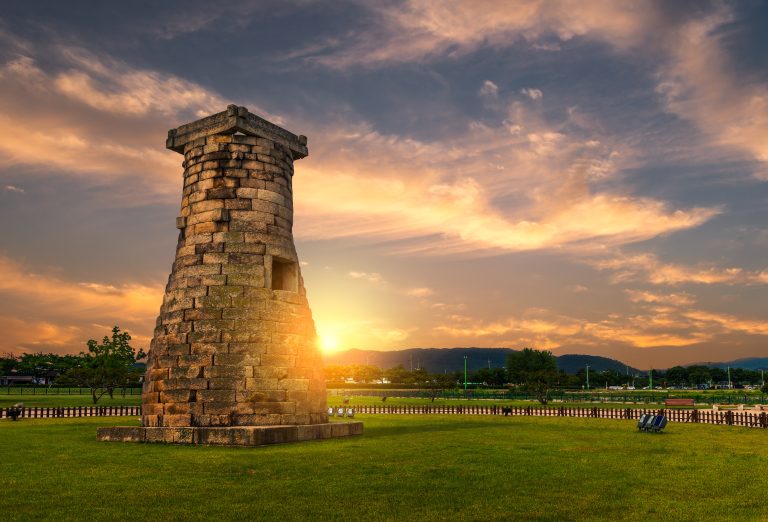
Today we continue exploring the rich heritage of Gyeongju, often known as "the museum without walls." We begin at Cheomseongdae Observatory, the oldest surviving astronomical observatory in Asia, before visiting the magnificent Bulguksa Temple, a UNESCO World Heritage Site and one of Korea's most important Buddhist temples. We then travel into the mountains to visit the remarkable Seokguram Grotto, home to a beautiful granite Buddha overlooking the East Sea. Later, we enjoy a stroll around the picturesque Anapji Pond, once part of a royal palace garden during the Silla Dynasty. Our day concludes at the Gyeongju National Museum, where we discover an outstanding collection of royal treasures and ancient artefacts before returning to our hotel.
- Breakfast Included
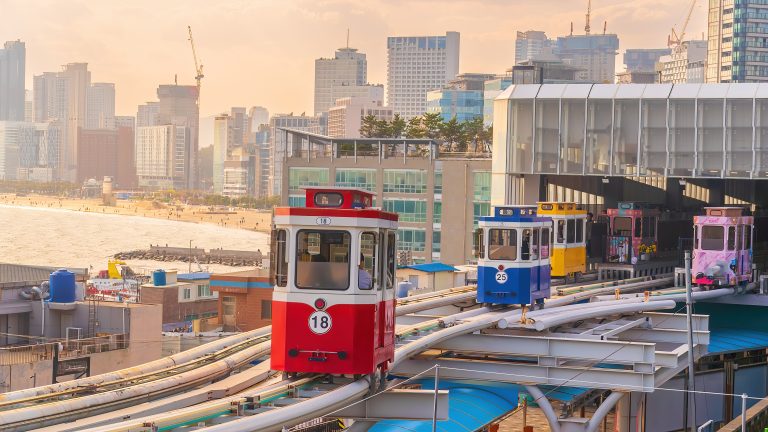
Day Nine: Monasteries & Beaches
Depart Gyeongju and travel to the secluded Haeinsa Temple, one of the Three Jewel Temples of Korea and guardian of the Tripitaka Koreana woodblock scriptures. Stroll through centuries-old halls and learn about the temple's enduring legacy of scholarship and faith. Later, transfer to Busan, Korea’s second-largest city on the southern coast. Relax at the famed Haeundae Beach, a favourite spot for locals and tourists alike. The golden sand and gentle waves make for the perfect late-afternoon stroll. Check into your hotel in Busan for the night.
- Breakfast Included
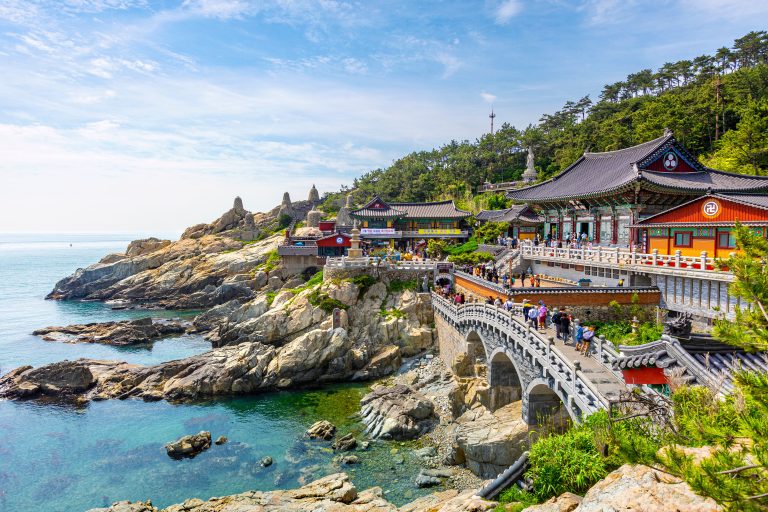
Day Ten: Vibrant Busan Adventures
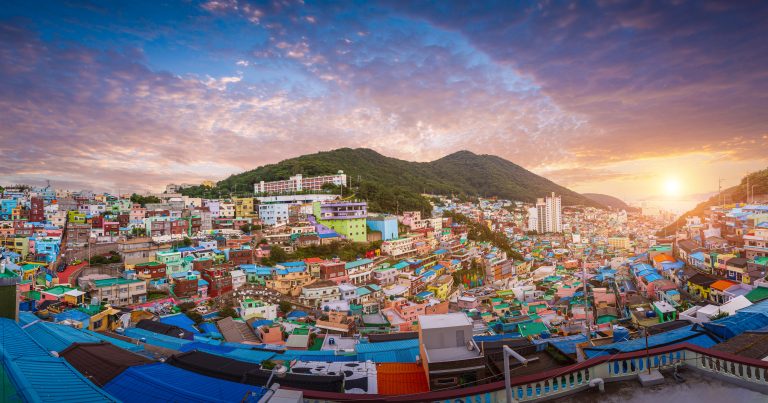
Start with a visit to Haedong Yonggungsa Temple, a rare seaside temple dramatically perched on cliffs above the East Sea. Wander through the peaceful temple grounds and admire its striking ocean views. Head to the colourful, hillside Gamcheon Culture Village, known for its artistic flair and winding alleyways. Explore Gukje Market, once a hub for post-war refugees, and Jagalchi Fish Market, Korea’s largest seafood market where you can try sashimi or grilled octopus. End with a ride on the Sky Capsule, a scenic tram offering panoramic views along the Busan coast. Return to your hotel and unwind.
- Breakfast Included
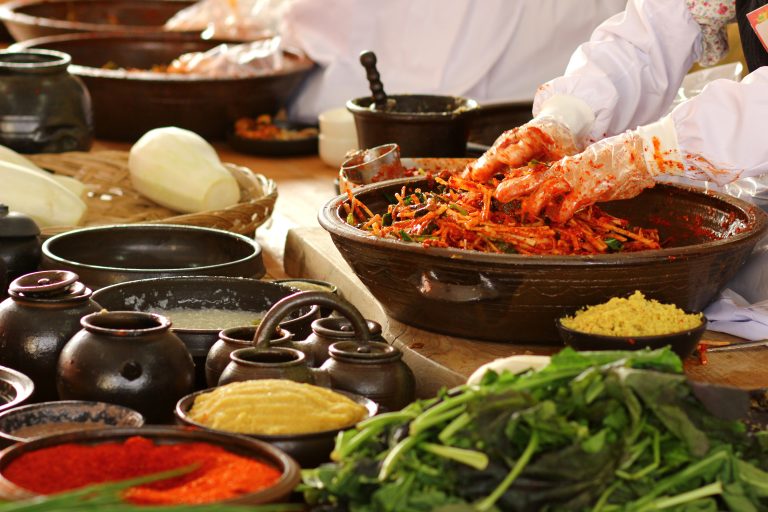
Day Eleven: Cooking & High-Speed Rail to Seoul
Check out and head to Busan Station for a scenic KTX bullet train ride back to Seoul (approx. 2.5 hrs) Upon arrival, join a hands-on Korean cooking class, where expert chefs teach you to prepare staples like bulgogi and kimchi. Learn about the cultural roots of Korean cuisine while enjoying the fruits of your labour. The class offers a fun and social environment perfect for solo travellers. Check into your Seoul hotel and spend the evening at leisure—perhaps revisit Myeongdong or explore a local café. Overnight in Seoul.
- Breakfast Included
Day Twelve: Seoul’s Modern Icons & Farewell
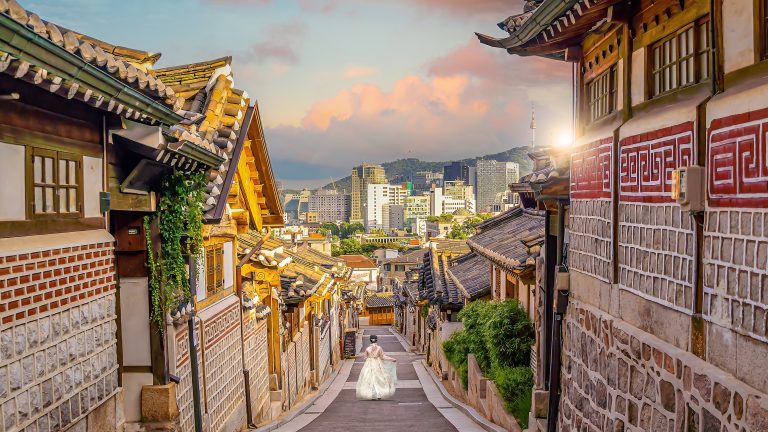
Begin your final full day with a visit to the N Seoul Tower, a beloved city icon offering spectacular panoramic views from its mountaintop observatory. Next, explore the architectural marvel of the Dongdaemun Design Plaza (DDP), a centre for fashion, innovation, and art designed by Zaha Hadid. Spend time shopping or relaxing in Myeongdong, Seoul’s busiest district for cosmetics, fashion, and snacks. Try street food like hotteok or spicy rice cakes. Conclude the day with a memorable farewell dinner, sharing stories and laughs with your new travel companions. Overnight in Seoul.
- Breakfast & Dinner Included
Day Thirteen: Departure from Korea
Enjoy your final breakfast in Korea and check out of your hotel. Transfer to Incheon International Airport for your flight home. Your Korean journey ends here, filled with memories of history, culture, and camaraderie.
- Breakfast Included
Accommodations
(as specified or similar)- Day 1 - 4 | Sotetsu Hotels The Splaisir Seoul Myeong-Dong
- Day 5 - 6 | Sea Cruise Hotel Sokcho
- Day 7 - 8 | Commodore Hotel Gyeongju
- Day 9 - 10 | Ramada Encore by Wyndham Haeundae Busan
- Day 11 - 12 | Sotetsu Hotels The Splaisir Seoul Myeong-Dong
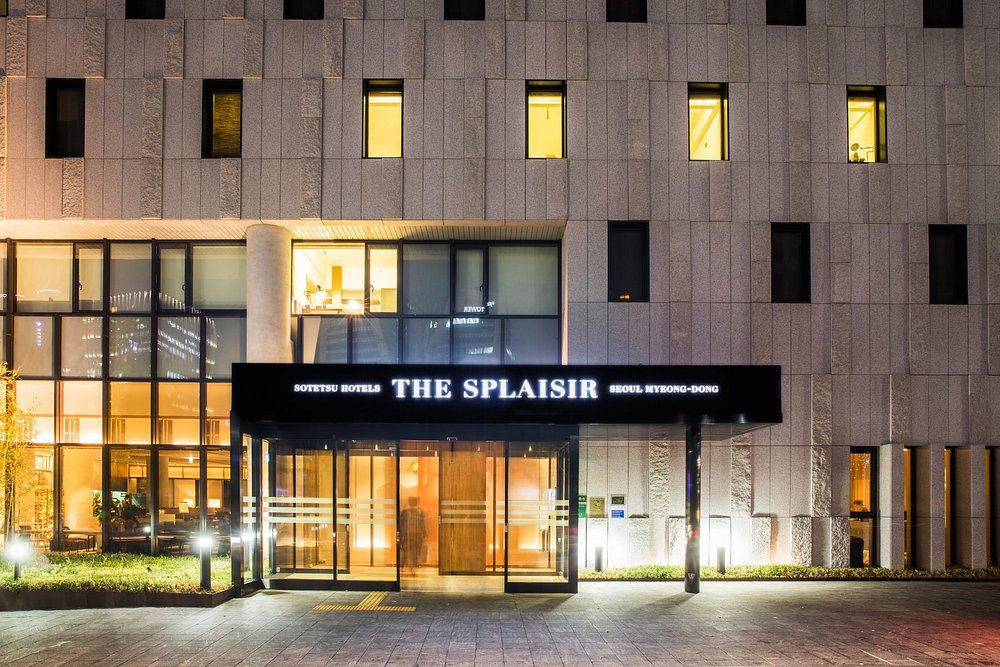
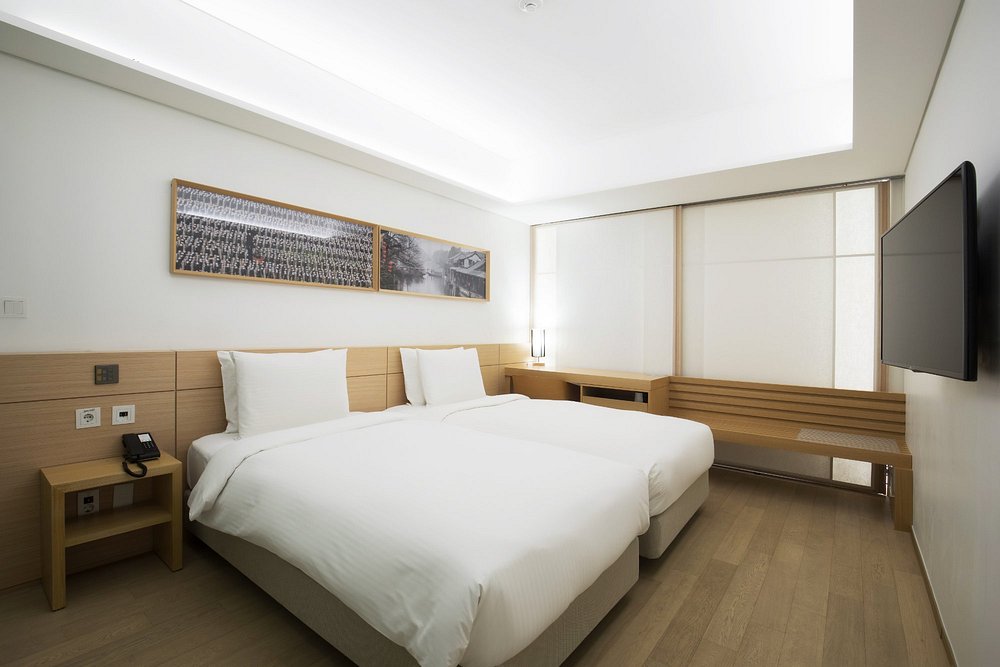
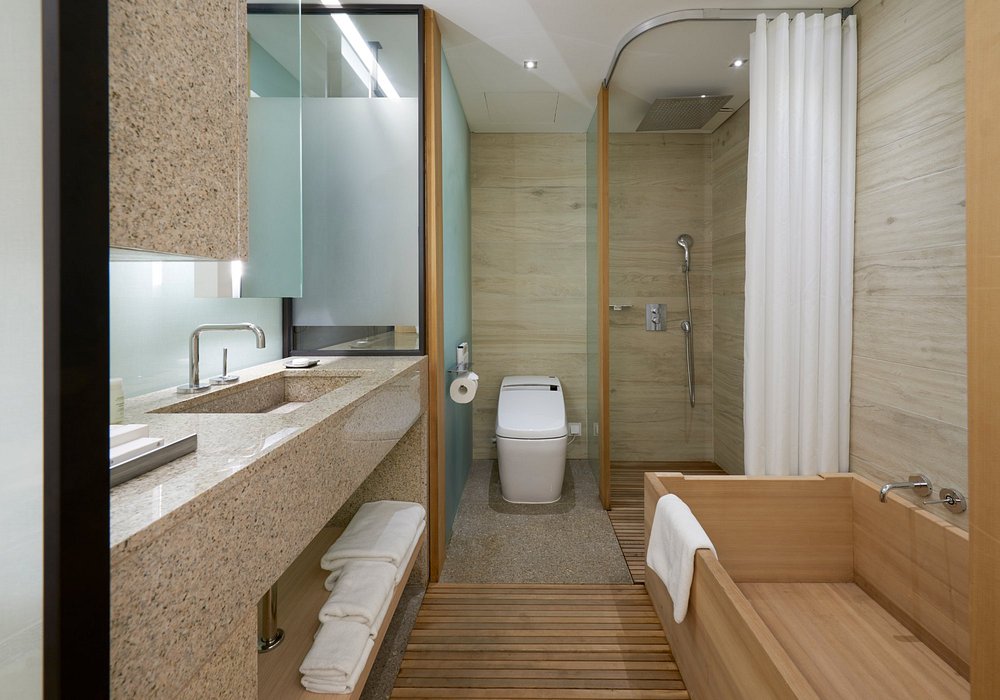
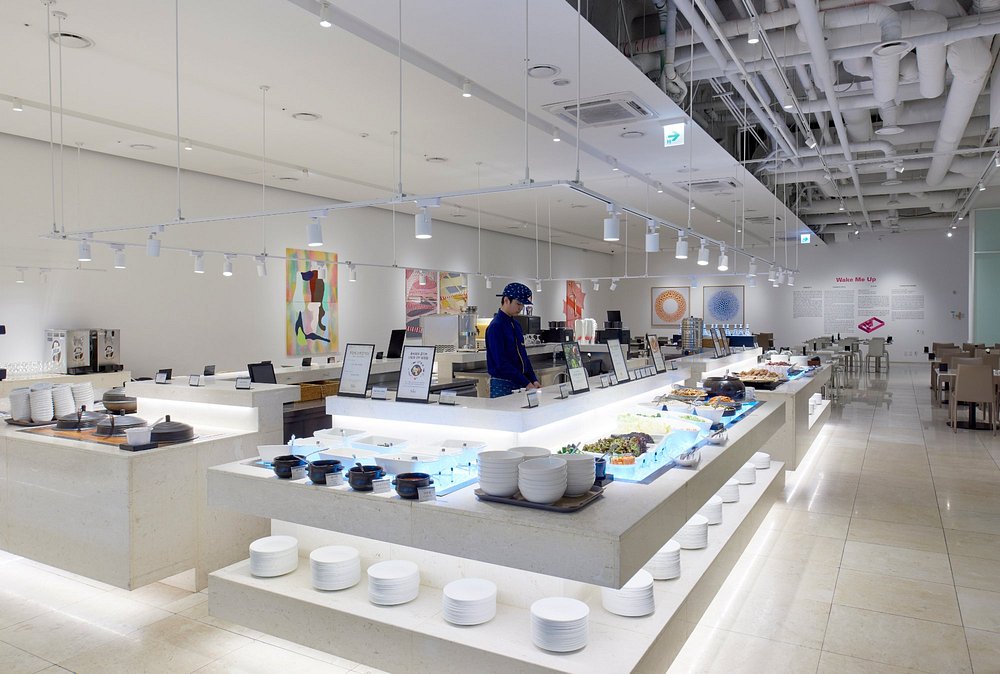
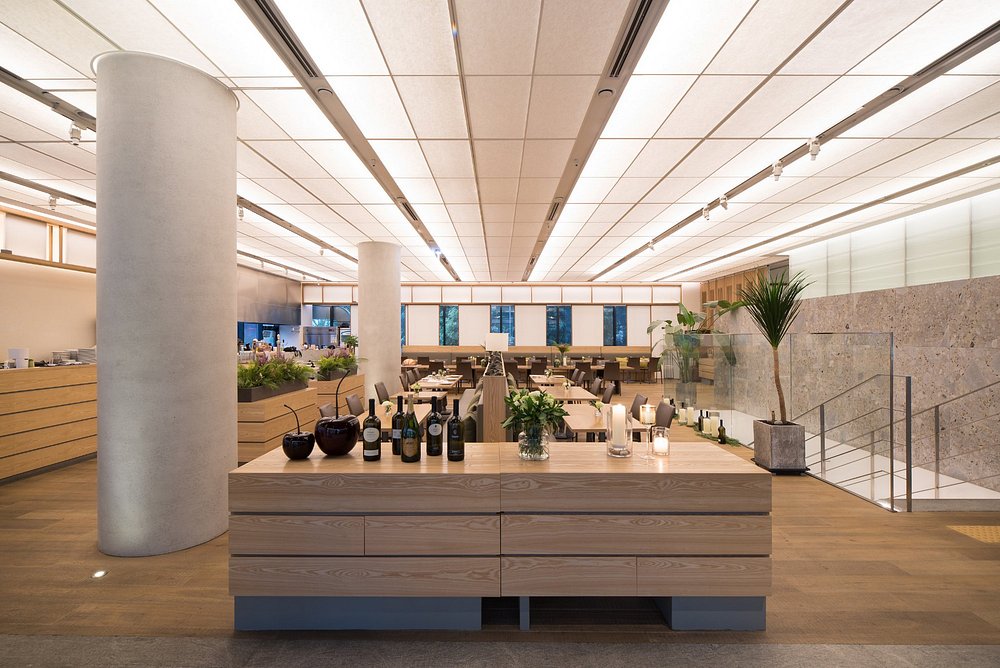
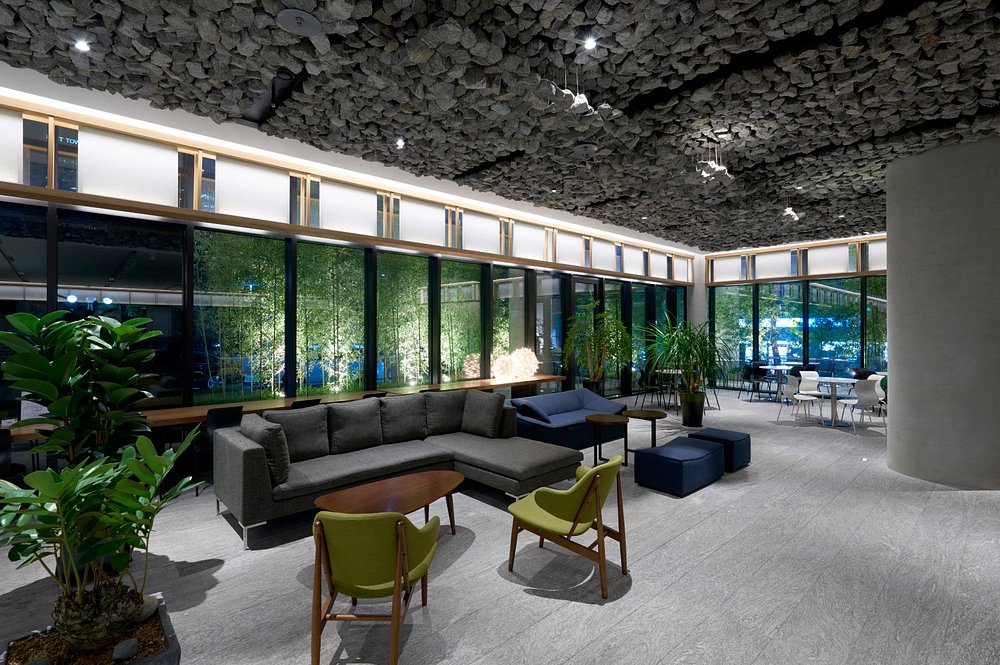
Day 1 - 4 | Sotetsu Hotels The Splaisir Seoul Myeong-Dong
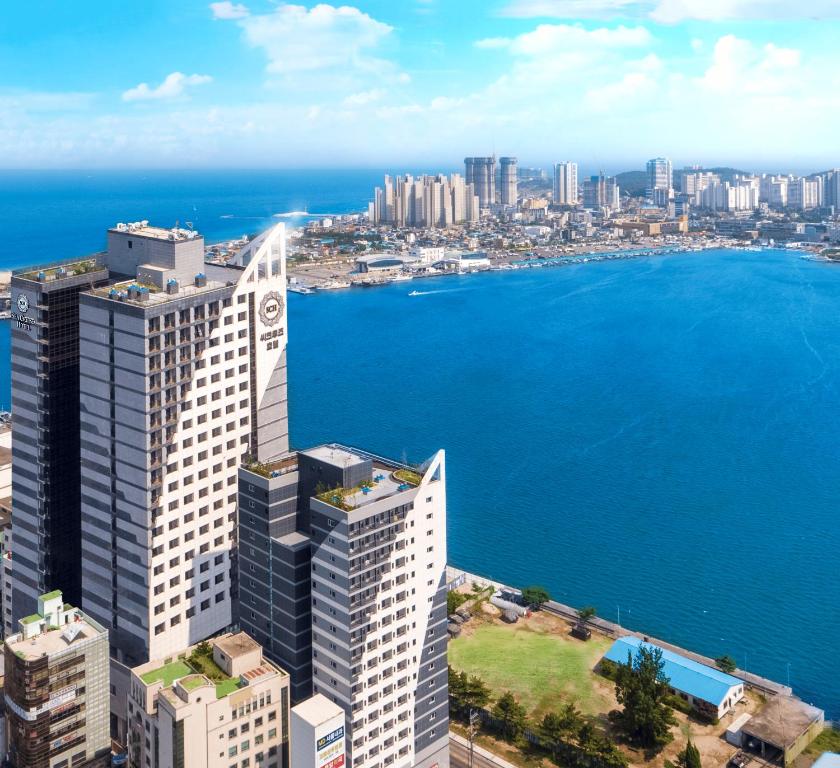
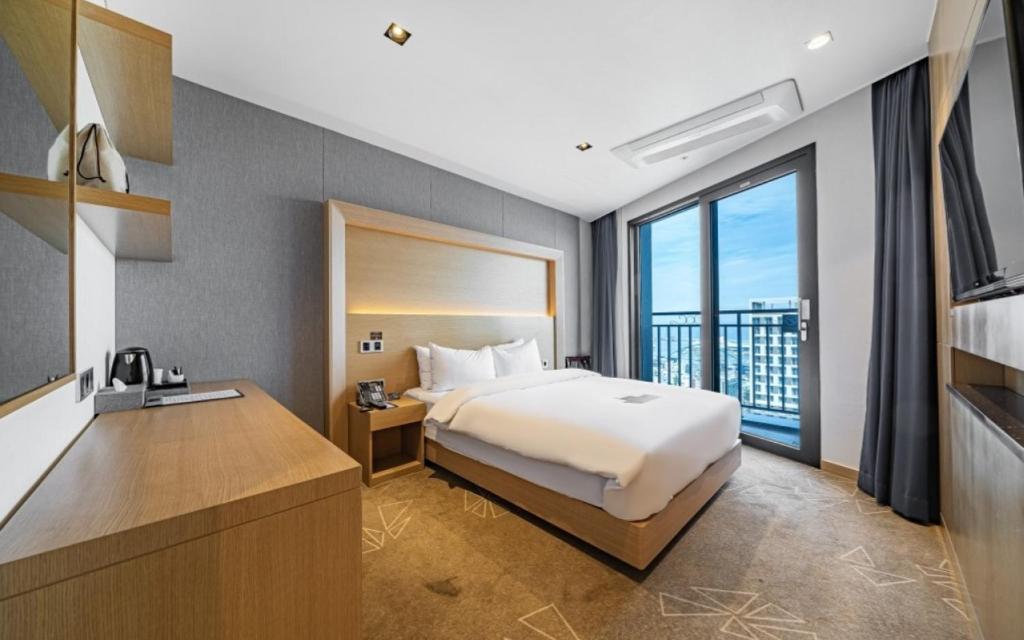
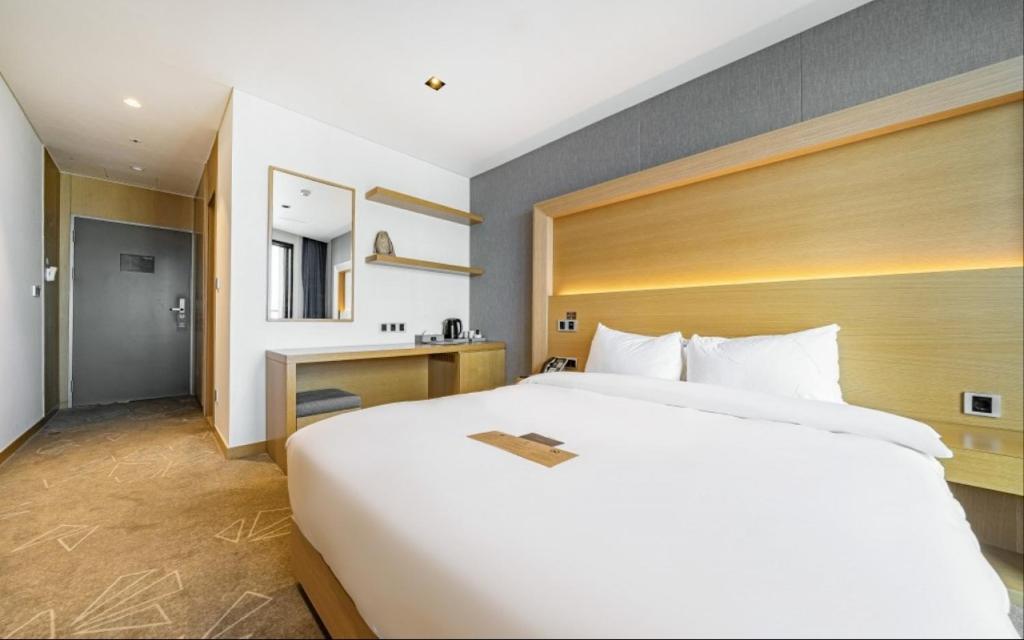
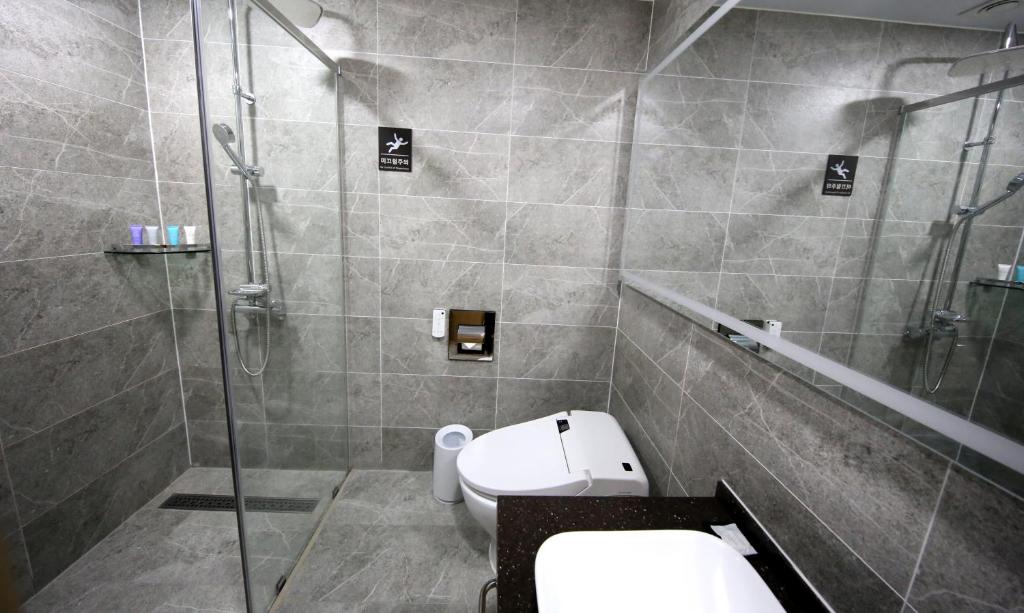
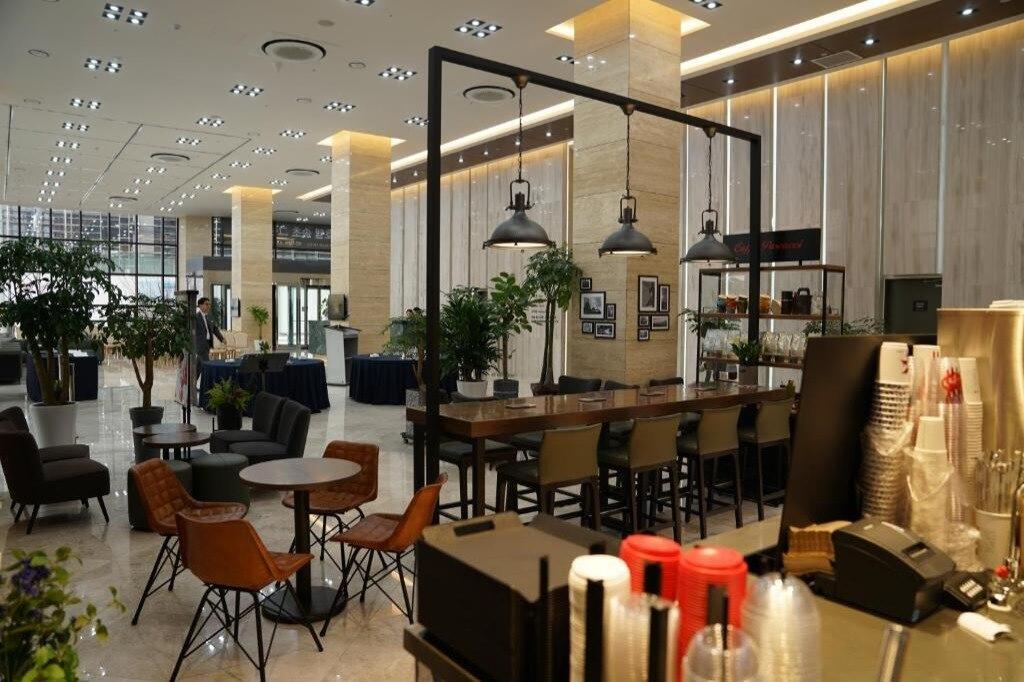
Day 5 - 6 | Sea Cruise Hotel Sokcho
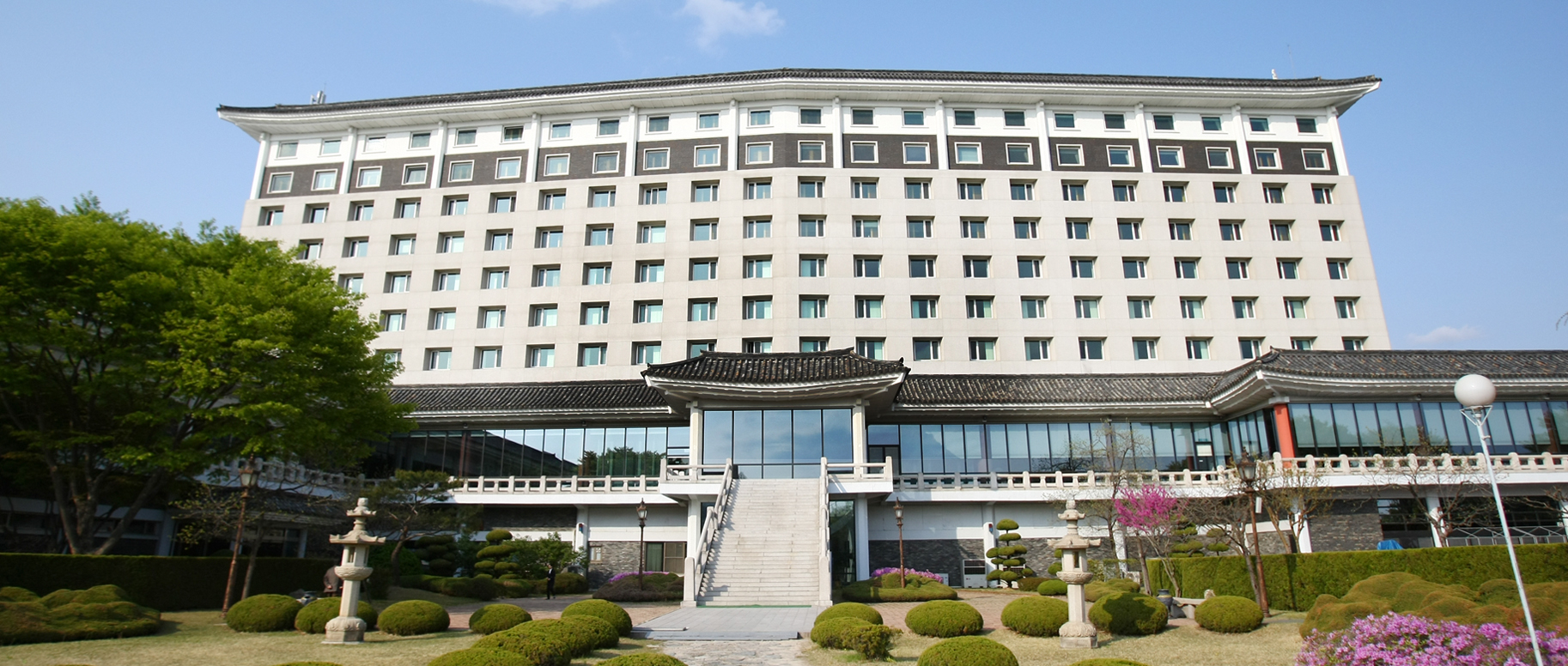
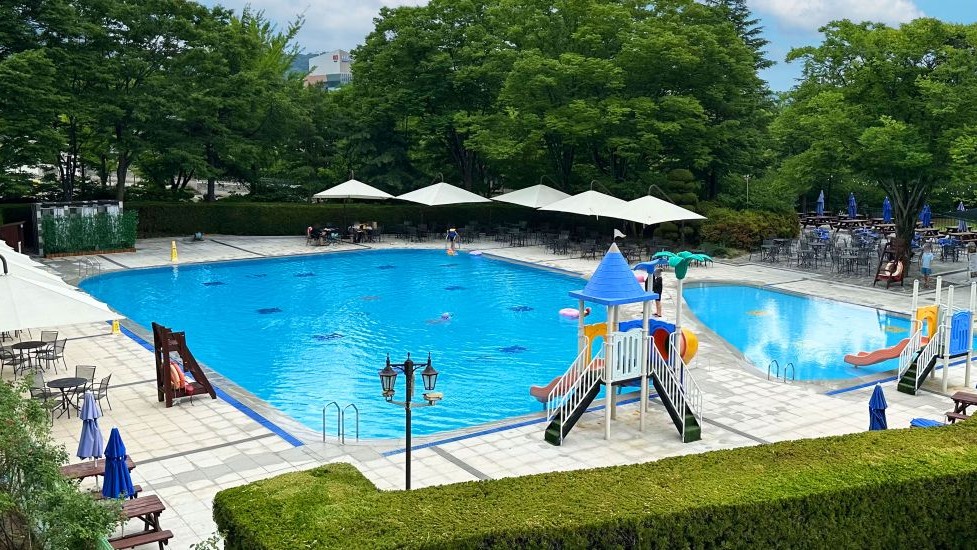
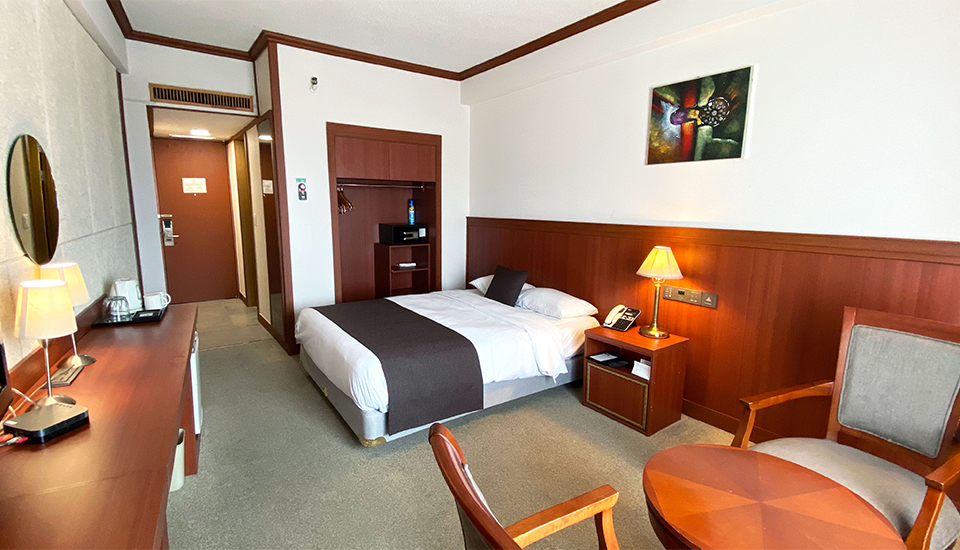
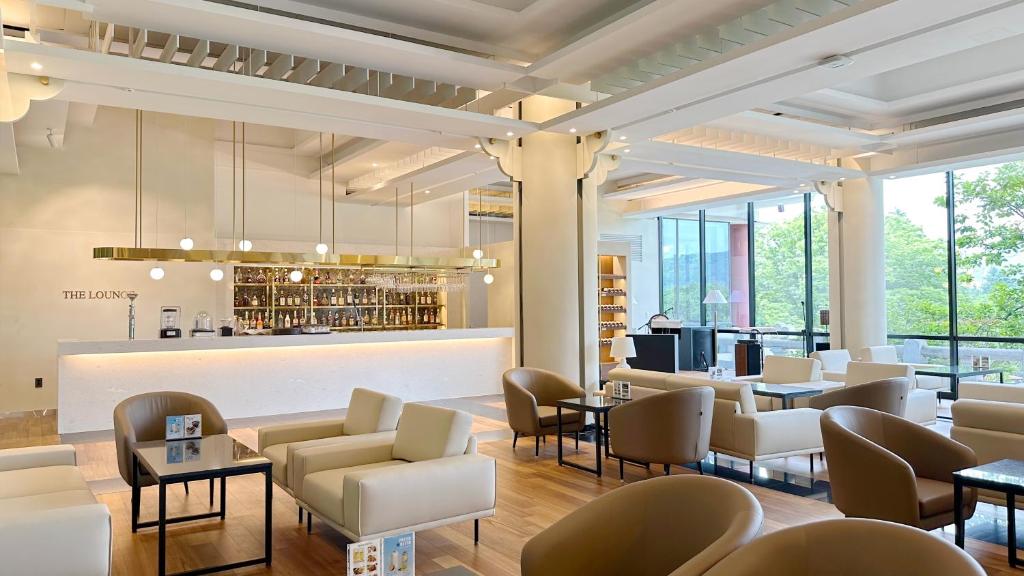
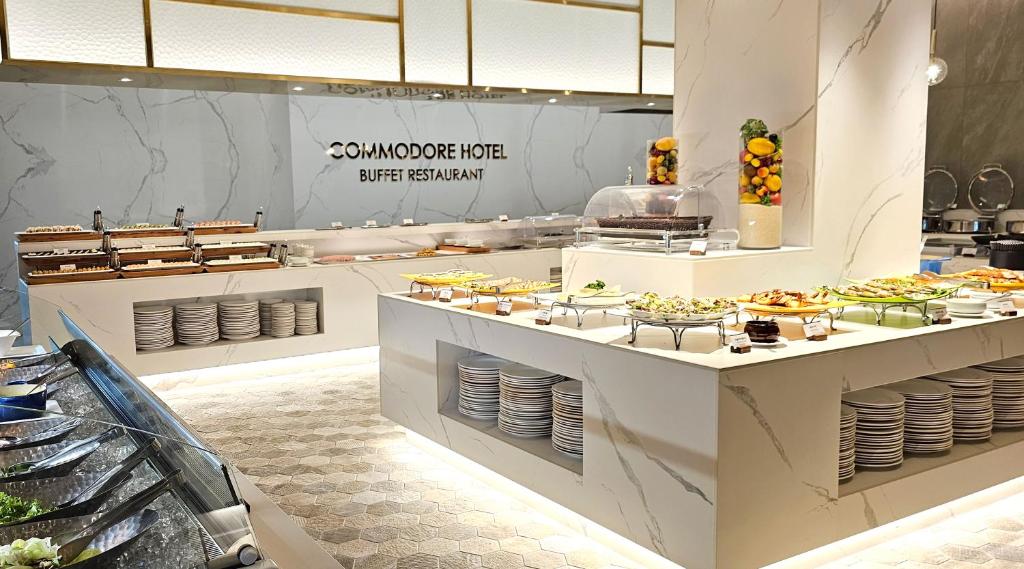
Day 7 - 8 | Commodore Hotel Gyeongju
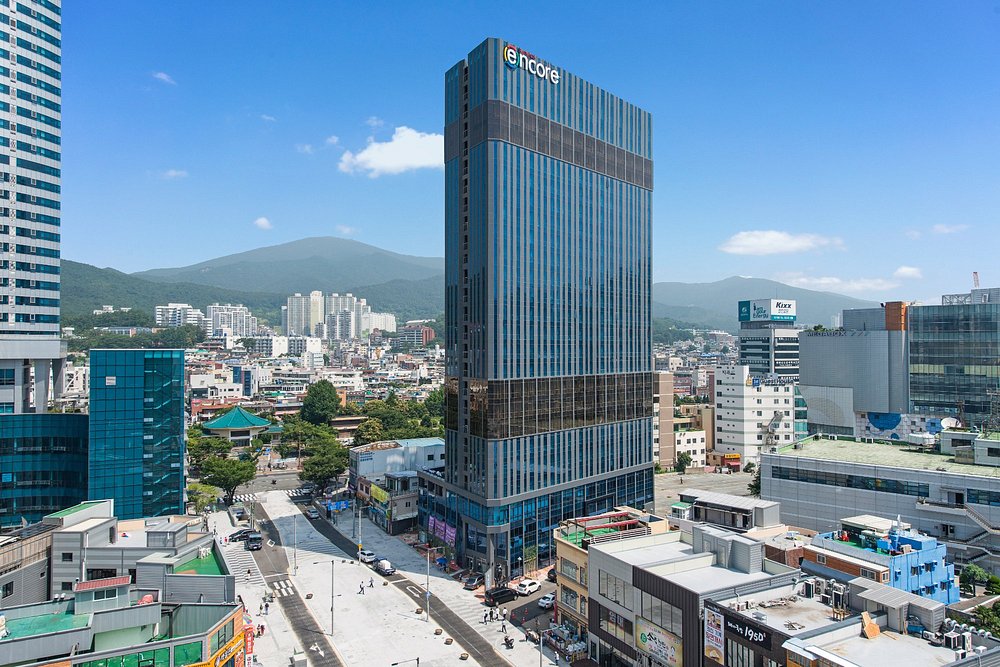
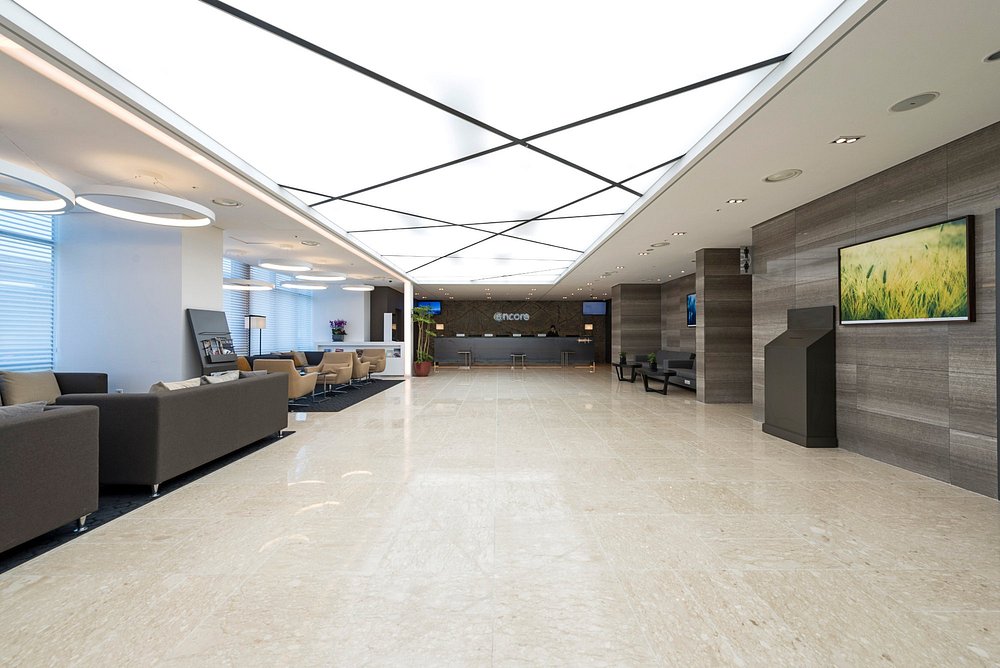
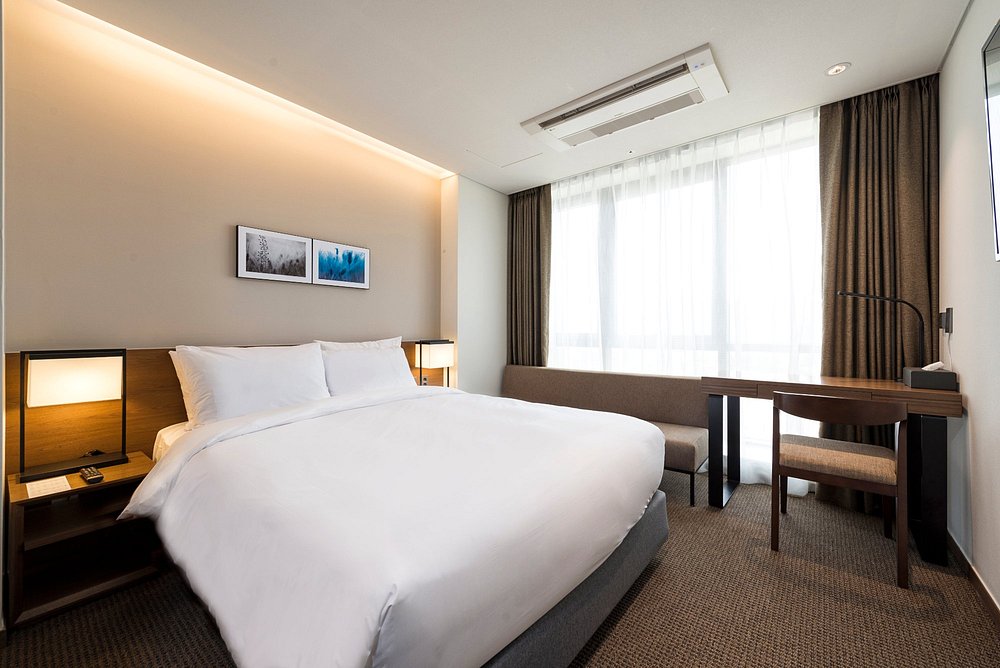
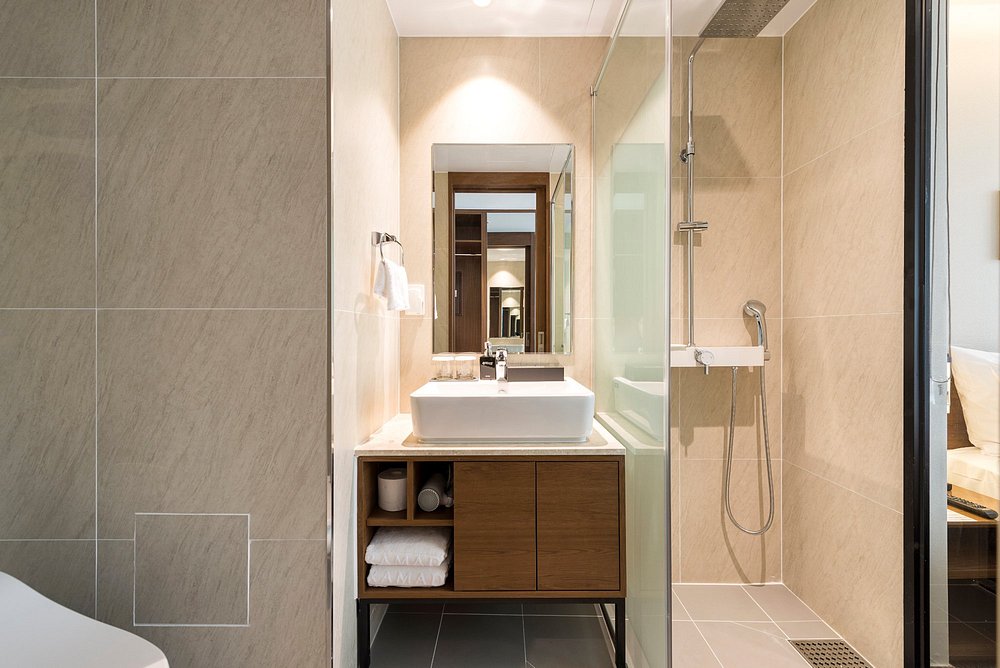
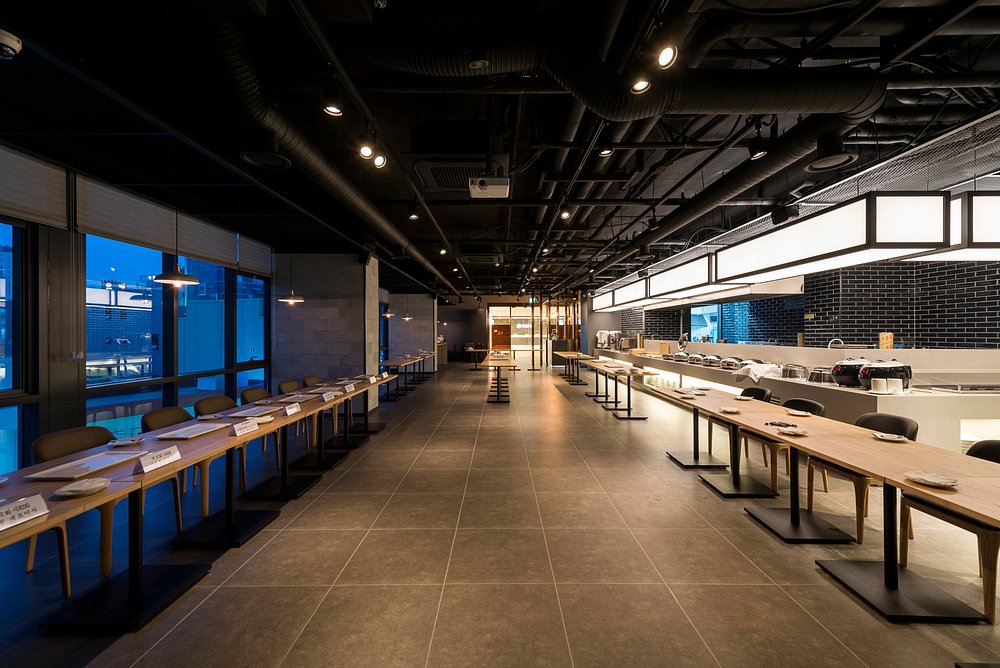
Day 9 - 10 | Ramada Encore by Wyndham Haeundae Busan
Day 11 - 12 | Sotetsu Hotels The Splaisir Seoul Myeong-Dong
Dates & Prices
Essential Information

- A reasonable level of fitness/mobility is required as we include plenty of sightseeing/travelling, some with early starts. Please note that on this trip we will also use private and public transport and there will be a lot of walking and standing involved.
- The order of the itinerary and events may be subject to change
- Please refer to Medical Conditions in Important Information.
Clothing Essentials
- Light Layers – Pack breathable tops (short and long sleeve), and layer with lightweight sweaters or cardigans.
- Jacket – A light waterproof jacket or windbreaker for cooler evenings and possible rain.
- Comfortable Trousers & Jeans – For long coach rides and walking tours.
- Walking Shoes or Trainers – Supportive, well-broken-in footwear is essential. Some sites involve stairs, hills, and cobblestones.
- Smart Casual Outfit – One or two outfits for evening dinners (e.g., Korean BBQ or farewell dinner).
- Scarf or Shawl – Useful for temples or changing weather.
- Socks – You'll often remove your shoes in temples and traditional houses.
- Sun Protection – Hat, sunglasses, and light long sleeves for sun-sensitive travellers.
Additional Items to Pack
- Small Backpack or Day Bag – For daily outings (water bottle, camera, sunscreen, etc.).
- Foldable Umbrella or Travel Poncho – Spring /Autumn showers are brief but possible.
- Swimsuit (Optional) – If your hotel has a spa or you’d like to visit public bathhouses (jjimjilbang).
- Reusable Water Bottle – Eco-friendly and useful for long days out.
- Travel Plug Adapter – South Korea uses Type C or F plugs, 220V.
- Prescription Medications & Toiletries – Include any essentials you may not easily find locally.
- Passport & Photocopies – For the DMZ visit, your passport is required.
Cultural Considerations
- Temple Visits – Avoid revealing clothing (e.g., sleeveless tops or shorts). Opt for trousers or a long skirt and covered shoulders.
- Shoes Off Indoors – Be prepared to remove shoes in hanoks, temples, or traditional restaurants. Slip-on shoes can be helpful.
Food plays a central role in South Korean culture and is often one of the most memorable aspects of visiting the country, particularly for those with an interest in global cuisines.
Vegetarians and vegans will generally find more options in major cities like Seoul and Busan, where international and plant-based dining is more accessible. However, in rural or less tourist-oriented areas, suitable choices can be limited and may require more planning in advance.
Please note that we may not be able to accommodate all dietary requirements, especially food allergies. If you have a serious allergy, it's essential that you let us know at the time of booking. Even with prior notification, we cannot promise a completely allergen-free environment due to potential cross-contamination in hotel or restaurant kitchens, especially in buffet settings.
South Korean cuisine frequently features ingredients such as gluten (found in many traditional dishes), nuts and nut oils, sesame seeds and sesame oil, soya (including soy sauce, tofu, and fermented bean pastes), seaweed, seafood, and eggs. These are commonly used and often difficult to avoid. Additionally, some establishments may not be familiar with allergies that are more widely recognised in Western countries and may be unwilling or unable to accommodate them.
Whether you'd like us to arrange your flights or prefer to book your own, we're here to make the process easy. Our team can secure flights from the location that suits you best, or provide all the arrival and departure details you'll need if booking independently.
Shortly before your holiday, you will be invited to join an optional WhatsApp group to connect with your fellow travellers and your Tour Leader.
- Credit/Debit Cards are widely accepted in cities for hotels, restaurants, shops, and convenience stores.
- Cash is useful for:
- Small markets (e.g. Gwangjang Market)
- Street food vendors
- Local buses or rural areas
You May Also Like

Grand Tour of China & Yangtze Cruise
 Cruise & Discovery
 12 nights in China
Japan Explorer
Discovery12 nights in Japan
China & the Harbin Ice Festival
Christmas & New Year & Discovery13 nights in China